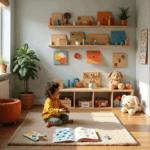

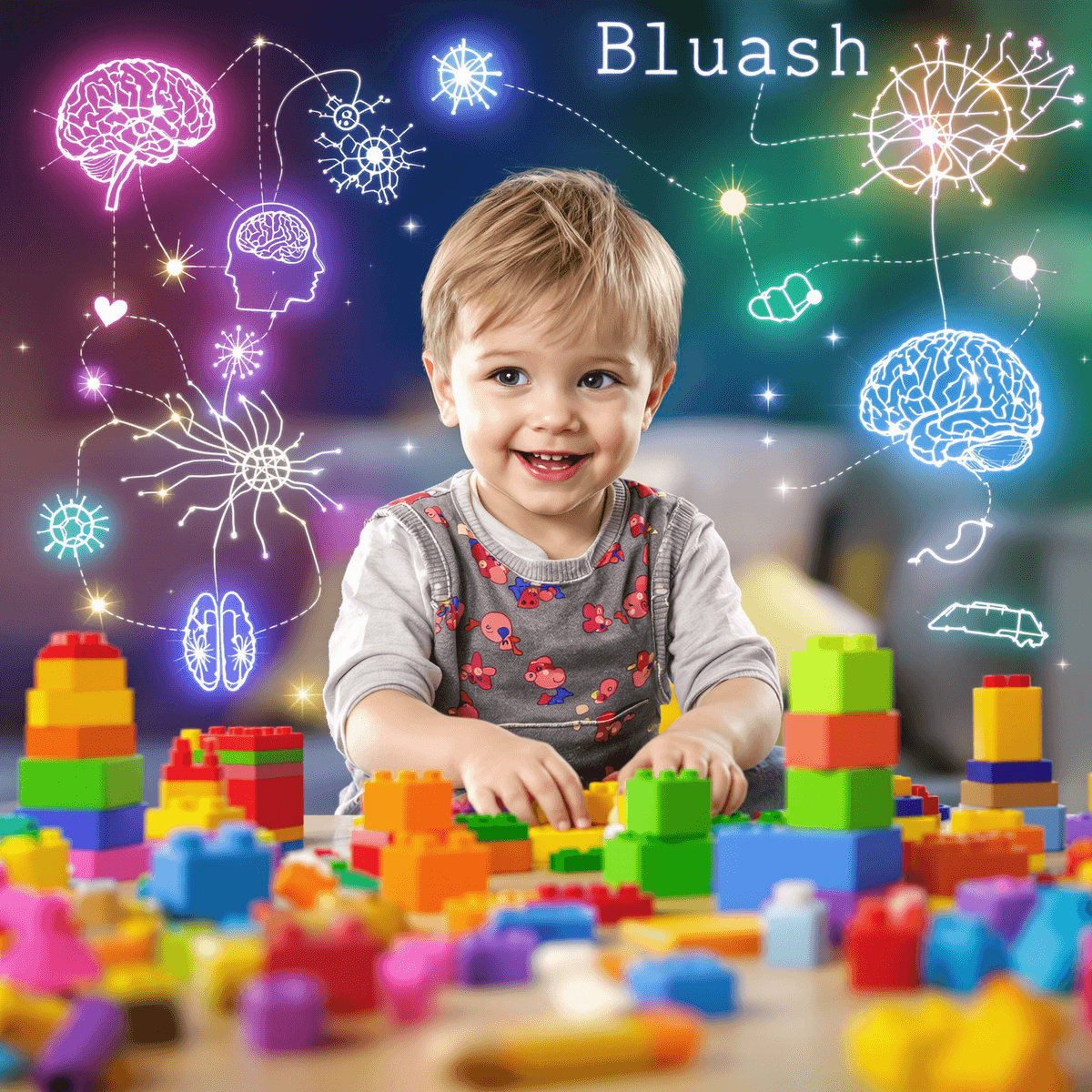
The early years, especially between the ages of 3 and 7, are crucial and Brain Development Activities are essential.
During this time, your child’s brain forms connections at an incredible speed – twice as fast as an adult brain! This period greatly influences their:
- Problem-solving abilities
- Creative thinking skills
- Memory capacity
- Social understanding
- Emotional intelligence
The good news? You can support your child’s brain development with simple and fun activities right at home. Games that challenge memory or play that engages the senses are just a couple of examples. Each activity serves as a building block, reinforcing neural connections and enhancing your child’s potential IQ.
Are you ready to turn everyday moments into opportunities for boosting your child’s brainpower? Let’s dive into some fantastic activities that make learning enjoyable while fostering your child’s developing mind!
Understanding Brain Development Activities for Children Aged 3 to 7
Your child’s brain undergoes remarkable changes between ages 3 to 7. During this critical period, their brain creates twice as many neural connections as an adult brain.
These neural connections shape your child’s:
- Learning abilities
- Memory formation
- Problem-solving skills
- Social understanding
- Emotional regulation
The brain’s incredible growth during these years creates a unique “sampling period” where children absorb information like little sponges. Each new experience, from playing with blocks to learning dance moves, strengthens these neural pathways.
What Makes This Period Special?
Your child’s brain forms synapses – connections between brain cells – at an astonishing rate. These synapses are strengthened through:
- Positive interactions with parents and caregivers
- Hands-on exploration
- Creative play
- Physical activities
- Social experiences
Think of these synapses as tiny bridges in your child’s brain. The more these bridges are used through engaging activities, the stronger they become. Simple activities like reading together, playing memory games, or exploring nature create lasting impacts on your child’s cognitive development.
This rapid brain development responds powerfully to stimulating environments and meaningful interactions. Each positive experience helps build a stronger foundation for future learning and growth.
1. Developing Executive Function Skills through Playful Interactions
Executive function skills are like the control center of your child’s brain – they help direct attention, manage emotions, and plan actions. These important skills play a big role in your child’s success both in school and in life. To understand more about these skills, you can refer to this resource guide on executive function.
Here are some fun games you can play together to help boost these skills:
Games that Improve Attention:
- “Red Light, Green Light” – teaches quick response and attention
- “I Spy” – enhances visual focus and observation
- “Freeze Dance” – develops listening skills and body control
Activities that Enhance Memory:
- Simon Says with multiple steps
- Card matching games
- Picture recall exercises
Ways to Boost Self-Control:
- Musical chairs – practicing patience and impulse control
- Board games – learning turn-taking
- “Whisper/Loud” voice games – mastering volume control
These fun activities will help create strong connections in your child’s growing brain. You’ll be amazed as you see your child getting better at waiting their turn, following instructions with multiple steps, and staying focused on tasks – all while having a great time!
For more structured activities that specifically target these skills in young children, you might find this list of games and activities for building executive function useful.
Additionally, it’s interesting to note that certain types of play, such as video gaming, may even be associated with better cognitive performance in children according to recent studies by the NIH.
Pro tip: Keep these games short and sweet (5-10 minutes) to match your child’s attention span.
2. Encouraging Love for Learning through Diverse Activities
A child’s brain thrives on variety! Different activities stimulate distinct areas of the brain, creating rich neural pathways that enhance learning capacity. Let’s explore exciting ways to nurture your child’s curiosity through diverse learning experiences:
Music & Movement
- Dancing to different rhythms
- Learning simple musical instruments
- Singing songs with hand gestures
- Creating music with household items
Reading Adventures
- Interactive storytelling with voices
- Picture book exploration
- Letter recognition games
- Creating stories together
Active Sports Play
- Balance beam walking
- Ball games for hand-eye coordination
- Simple yoga poses
- Dance-freeze games
Mathematical Discovery
- Counting during daily activities
- Shape hunting around the house
- Pattern making with objects
- Basic puzzle solving
Artistic Expression
- Finger painting
- Clay modeling
- Collage making
- Drawing with different materials
Scientific Wonder
- Simple science experiments
- Nature walks and collection
- Weather watching
- Plant growing projects
Language Fun
- Bilingual picture cards
- Word games
- Cultural songs
- Basic conversation practice
These activities create natural learning opportunities where children develop skills while having fun. Mix and match these activities throughout the week to keep your child engaged and excited about learning new things. Remember to follow your child’s interests and adjust activities to match their enthusiasm and energy levels.
3. Emotional Intelligence Development in Children
Emotional intelligence shapes your child’s ability to understand feelings, build relationships, and navigate social situations. Research shows children with strong emotional intelligence adapt better to school environments and develop deeper friendships.
Simple Activities to Build Emotional Intelligence:
- Create an “emotions corner” with mirrors where children practice making different facial expressions
- Use puppets to act out common social scenarios
- Read picture books focusing on different feelings
- Play “emotion charades” using expression cards
- Practice “pause and breathe” techniques during upset moments
Building Empathy Through Daily Interactions:
- Encourage sharing personal stories about feelings
- Ask “how would you feel if…” questions during daily activities
- Notice and name others’ emotions during playground time
- Create collaborative art projects that require working together
- Use stuffed animals for role-playing emotional situations
These brain-building activities help children develop a rich emotional vocabulary and understand the complexities of human feelings. When children learn to recognize and manage emotions early, they develop stronger social bonds and better problem-solving abilities.
4. Building Lasting Neural Connections through Exploration
Your child’s brain creates powerful neural pathways through sensory exploration. Each touch, smell, sound, taste, and visual experience strengthens these connections, building a robust foundation for learning and development.
Engaging the Five Senses
- Touch: Sand play, finger painting, texture sorting
- Smell: Herb garden exploration, scent matching games
- Sound: Nature walk listening, musical instruments
- Taste: Safe food tasting experiments, cooking activities
- Sight: Color mixing, shadow play, pattern recognition
These multi-sensory experiences create rich neural networks in your child’s brain. When children engage in activities like making mud pies, they’re not just playing – they’re developing spatial awareness, understanding cause and effect, and processing multiple sensory inputs simultaneously.
Simple Five-Sense Activities to Try:
- Create a sensory bin filled with rice, beans, or pasta
- Set up a nature collection table
- Make homemade playdough with essential oils
- Design a barefoot sensory path in your garden
- Build a sound wall with different musical items
Research shows children who regularly engage in sensory play develop enhanced cognitive abilities, improved motor skills, and better problem-solving capabilities. These neural connections formed through sensory exploration become the building blocks for complex learning in later years.
5. Supporting Physical Health and Cognitive Development
A child’s physical activity directly impacts their brain development. Active play strengthens neural pathways, enhances memory retention, and boosts problem-solving abilities.
Key Physical Activities for Brain Development:
- Running and jumping games improve spatial awareness
- Dancing enhances balance and coordination
- Ball games develop hand-eye coordination
- Climbing activities strengthen decision-making skills
- Set daily screen time limits (30-60 minutes)
- Replace passive screen time with interactive play
- Choose educational content when using screens
Research shows children who spend 2-3 hours daily in outdoor activities display better focus and learning capabilities. The natural environment provides rich sensory experiences that stimulate brain development while strengthening the body.
Remember: A healthy body houses a healthy mind. Physical activities combined with proper nutrition and adequate sleep create optimal conditions for your child’s cognitive growth.
Holistic Early Childhood Education Approach
A holistic education approach recognizes that children learn best when their minds, bodies, and emotions are engaged in the learning process. This approach integrates:
- Creative Expression: Art, music, dance, and drama activities
- Physical Development: Outdoor play, sports, and movement exercises
- Social Skills: Group activities, sharing, and collaborative projects
- Emotional Growth: Self-expression and understanding feelings
- Cognitive Learning: Problem-solving and critical thinking games
- Cultural Awareness: Exposure to different traditions and languages
The beauty of holistic education lies in its ability to nurture a child’s natural curiosity and desire to learn. When children engage in activities that connect different aspects of development, they build stronger neural pathways and develop a deeper understanding of the world around them.
Conclusion
Your child’s early experiences shape their learning abilities for life. The brain development activities we’ve explored aren’t just fun games – they’re powerful tools that build the foundation for your child’s future success.
Start small:
- Pick one activity from each category this week
- Set aside 15-20 minutes daily for focused play
- Observe your child’s interests and adapt activities accordingly
Remember: consistency matters more than perfection. Your presence and engagement make these activities meaningful for your child’s development.
Ready to boost your child’s brain power? Take the first step today:
- Choose a memory game to play after dinner
- Read a story using different character voices
- Try a simple science experiment together
- Practice counting during daily routines
Your child’s brain is like a sponge right now – make every moment count with these enriching activities. Let’s give them the best start possible for a lifetime of learning and growth.
Want more brain-boosting activity ideas? Download our free activity guide and join our parent community today!
You may like our article on Brain Boosting Activities for Newborns
FAQs (Frequently Asked Questions)
Why is brain development important for children aged 3 to 7?
Brain development during ages 3 to 7 is critical as it is a period of rapid growth where synapses form extensively. Engaging children in positive interactions and stimulating activities during this phase significantly enhances their cognitive abilities and IQ.
What are some effective brain development activities for kids at home aged 3 to 7?
Effective brain development activities for kids aged 3 to 7 at home include memory games like Simon Says to boost executive function skills, sensory exploration using the five senses, role-playing for emotional intelligence, and diverse learning activities such as music, reading, art, math, science, and languages.
How do playful interactions support executive function skills in young children?
Playful interactions help develop executive function skills by promoting attention focusing, working memory, and self-control. Games that require turn-taking or memory recall encourage these cognitive processes essential for brain development in children aged 3 to 7.
What role does emotional intelligence play in a child’s brain development?
Emotional intelligence is vital for brain growth as it involves understanding and managing emotions, empathy, and teamwork. Activities like storytelling and role-playing that label emotions help children develop these skills, fostering better social interactions and cognitive maturity.
How can parents balance physical health with cognitive development for their children?
Parents can support both physical health and cognitive development by limiting excessive screen time and encouraging outdoor play. Physical activity not only promotes overall health but also enhances brain function and learning abilities in children aged 3 to 7.
Why is a holistic early childhood education approach important beyond academics?
A holistic early childhood education approach addresses multiple aspects of a child’s growth including cognitive, emotional, physical, and social development. This comprehensive strategy ensures well-rounded brain development and prepares children aged 3 to 7 for lifelong learning success.